On a rocky peninsula in Gloucester, Massachusetts, a small circle of friends built one of New England’s most intriguing social worlds—full of castles, antiques, wartime heroism, queer subtext, and dramatic ocean views. Locals remember them by a single, punchy acronym: B.A.S.H.
B.A.S.H. stands for Buswell, Andrew, Sleeper, and Hammond:
- B – Leslie Buswell
- A – A. Piatt Andrew
- S – Henry Davis Sleeper
- H – John Hays Hammond Jr.
In the early 20th century, these four men turned Eastern Point in Gloucester—and, by extension, parts of Boston’s Back Bay—into a stylish, unconventional playground for politics, art, design, and technology. Their homes are still some of the most fascinating places you can visit on the North Shore.
Eastern Point: Where the Story Begins
Eastern Point is a narrow, wave‑washed peninsula at the entrance to Gloucester Harbor. At the turn of the 20th century, it attracted a particular kind of resident: wealthy, artistic, politically connected, and often somewhat eccentric.
Into this landscape came A. Piatt Andrew, a rising star in economics and politics, who built an estate called Red Roof. Around him coalesced a loose, bohemian‑meets‑Brahmin social scene: politicians, artists, designers, actors, and inventors.
Over time, three neighbors came to define this world with him: Henry Davis Sleeper, Leslie Buswell, and John Hays Hammond Jr. Their intertwined lives and homes would later be remembered collectively as B.A.S.H.
A. Piatt Andrew: The Power Broker with a View
A. Piatt Andrew (1873–1936) was an economist, U.S. Congressman, and former Assistant Secretary of the Treasury. He was also a key figure in World War I relief efforts, directing the American Field Service, an ambulance corps that served on the front lines in France.
His Gloucester home, Red Roof, became more than a seaside retreat—it was a social hub.
Think evenings of political talk, European gossip, laughter over cocktails, and the salty Atlantic air pouring in through open windows. Red Roof was the gravitational center of Eastern Point’s social life.
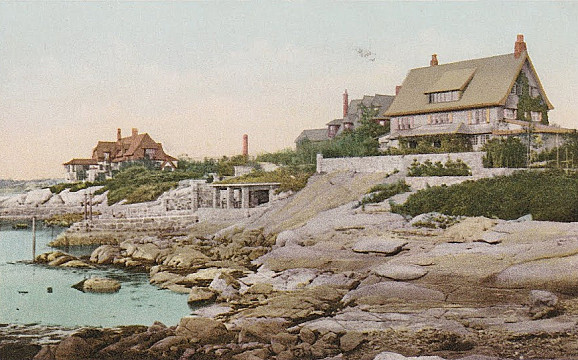
Red Roof, A. Piatt Andrew’s Eastern Point estate, was the heart of a lively social circle in early‑20th‑century Gloucester.
Andrew’s connections brought high‑profile visitors from Boston and beyond. Yet his closest relationships were often right next door—especially with Henry Davis Sleeper.
Henry Davis Sleeper & Beauport: A House That Performs
If Andrew was the political operator, Henry Davis Sleeper (1878–1934) was the aesthete. Sleeper made his name as one of America’s first professional interior designers and a passionate collector of antiques.
His masterpiece is Beauport, the Sleeper–McCann House, perched on a rocky promontory overlooking Gloucester Harbor.
Beauport isn’t just a house; it’s a theatrical experience. Each room is curated around a theme—early American glass, maritime history, colonial revival fantasies—and arranged with painterly precision. Light, color, and texture are choreographed like a stage set.
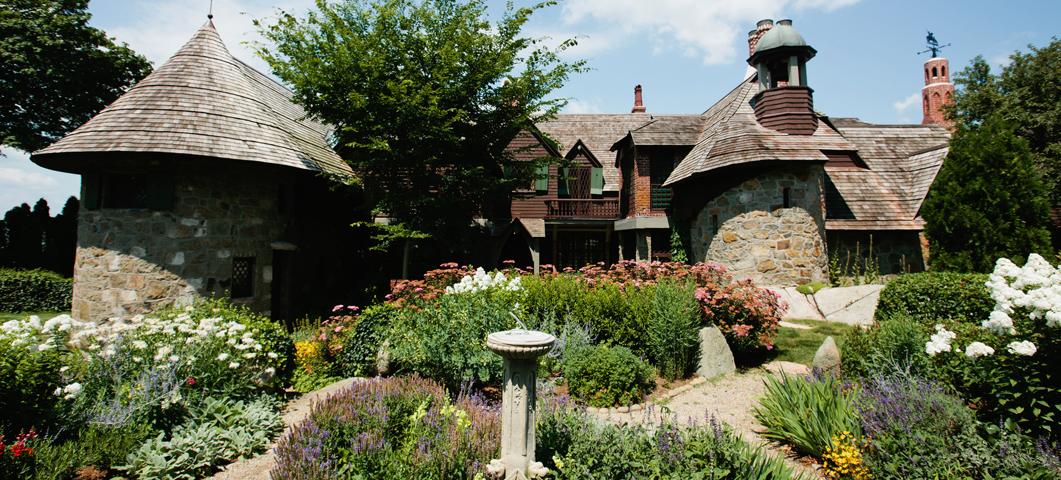 Beauport, Henry Davis Sleeper’s fantastically staged home, now preserved as a house museum.
Beauport doubled as both home and showroom. Sleeper’s wealthy clients could experience his design philosophy firsthand, surrounded by historic objects that had been given new, almost cinematic lives.
Leslie Buswell: Actor, War Hero, and the “B” in B.A.S.H.
Leslie Buswell (1883–1969) adds a different flavor to the B.A.S.H. mix. Originally an actor, he later turned businessman—but his most dramatic role was real, not theatrical.
During World War I, Buswell joined A. Piatt Andrew’s American Field Service as an ambulance driver in France. He was decorated with the Croix‑de‑Guerre by the French government for bravery under fire.
After the war, Buswell slid naturally into Andrew and Sleeper’s Gloucester world. He was charming, worldly, and attuned both to the arts and to the emotional fallout of war.
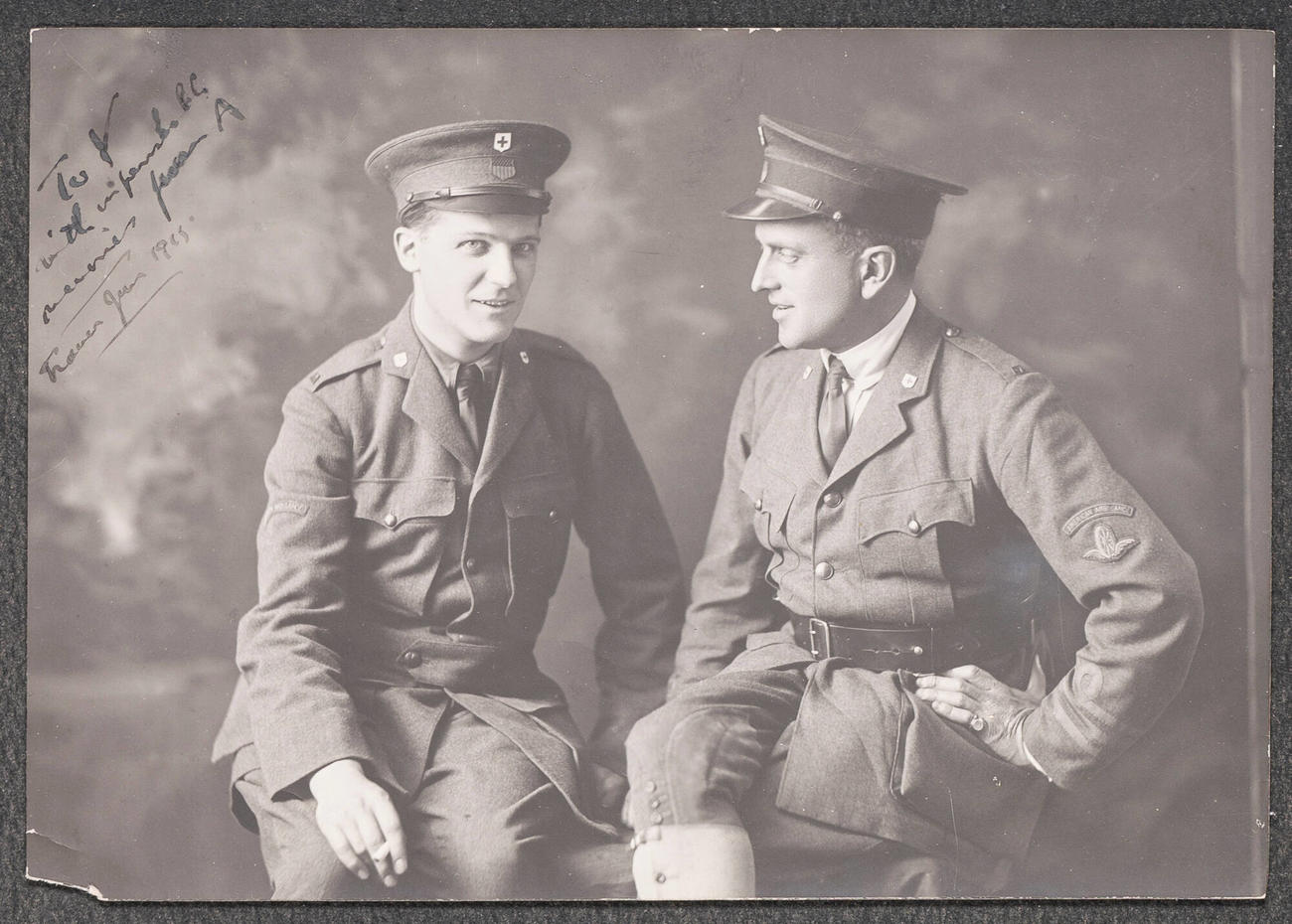
Leslie Buswell, actor‑turned‑ambulance driver, brought both drama and wartime experience into the B.A.S.H. circle, pictured here with A. Piatt Andrew.
Buswell’s presence helped cement the “B” in B.A.S.H., turning the Eastern Point group into a recognizable foursome in local lore.
John Hays Hammond Jr. & Hammond Castle: Mad Genius by the Sea
Every good circle needs its genius, and in B.A.S.H., that role belongs to John Hays Hammond Jr. (1888–1965)—inventor, engineer, and self‑styled “father of radio control.”
Hammond amassed more than 800 patents in fields related to radio, remote control, and naval defenses. But the most visible symbol of his imagination is the home he built in Gloucester: Hammond Castle.
Rising dramatically from the rocks above the ocean, Hammond Castle looks like it was air‑dropped from medieval Europe.
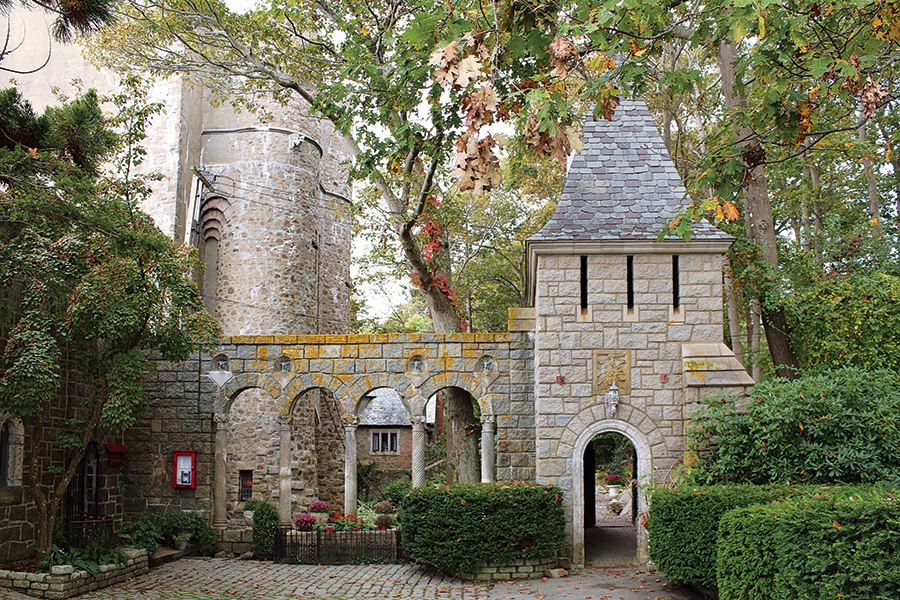
Hammond Castle, the Gothically dramatic home and laboratory of inventor John Hays Hammond, Jr.
Inside, Gothic arches, cloisters, and stone halls house Hammond’s vast collection of European artifacts: medieval doors, tapestries, sculptures, and religious art. Mixed into this old‑world fantasy were his laboratories, where he tested cutting‑edge technologies—sometimes with the Atlantic as a backdrop.
Inside Hammond Castle, medieval romance meets early‑20th‑century innovation.
Hammond’s presence widened the Eastern Point circle from politics and design into the world of hardcore technology and invention.
How “B.A.S.H.” Became a Thing
Historians and locals use “B.A.S.H.” as a handy label for this foursome, based on their initials: Buswell, Andrew, Sleeper, Hammond.
Interestingly, the evidence that they consistently called themselves “B.A.S.H.” in their own time is thin. The nickname seems to emerge more clearly in local memory and later writing than in surviving documents.
Still, the acronym sticks because it captures something true: these four men formed a recognizable constellation of influence in Gloucester. Their friendships overlapped in:
- Shared social events and house parties
- Travel and war service (especially through the American Field Service)
- The cross‑pollination of politics, design, art, and science
Before B.A.S.H., there was another local nickname: “DABS” or “DABS‑ville”, used informally for an earlier Eastern Point cluster (names like Davidge, Andrew, Beaux, Sinkler). These shorthand names show how quickly Gloucester residents came to see Eastern Point as a distinct social micro‑world.
Queer Histories and Hidden Codes
Modern historians have taken a closer look at places like Eastern Point, Beauport, and even Boston’s Fenway Court (Isabella Stewart Gardner’s palazzo, now the Gardner Museum) as part of a broader queer history of New England’s elite.
While the language of the time was coded and discreet, scholars note:
- Intensely close male friendships
- Nontraditional household arrangements
- A tendency to create private, highly controlled spaces (like Beauport and Red Roof) where social norms could be bent or quietly re‑written
B.A.S.H. is often viewed through this lens today—not as a simple “gay circle” (which would be an oversimplification), but as a queer‑inflected social world where gender, class, aesthetics, and desire intersected in complex ways.
At the same time, it’s important not to reduce these men to a single identity category. Their lives were also deeply shaped by:
- National politics and public service
- Wartime sacrifice and trauma
- Capital, patronage, and the Boston art world
- Ambitious experiments in architecture and design
Why B.A.S.H. Still Matters
You can feel B.A.S.H.’s legacy in Gloucester today:
- Architecture & Landscape
- Beauport and Hammond Castle are now major historic house museums, drawing visitors who may never have heard of B.A.S.H. but are captivated by what they created.
- The presence of these houses (and the still‑standing estates around Eastern Point) preserves a physical record of a very particular early‑20th‑century fantasy: cosmopolitan, nostalgic, and just a little out of time.
- Cultural Memory
- B.A.S.H. has become shorthand for a moment when Gloucester stood at the crossroads of art, politics, war, queerness, and modern technology.
- Their stories show how local history is rarely just local; Gloucester’s shoreline is connected, through these men, to Paris, Washington, and beyond.
- LGBTQ+ and Social History
- For those interested in queer history, B.A.S.H. offers a window into how non‑normative lives were lived, coded, and sometimes hidden—yet still left powerful traces in architecture, letters, and community memory.
Visiting the World of B.A.S.H. Today
If you’re planning a trip to Gloucester, you can still step directly into the B.A.S.H. landscape:
1. Beauport, the Sleeper–McCann House
- Operated by Historic New England
- Offers guided tours of Sleeper’s dazzling interiors and legendary collections
- Best for: design lovers, photographers, and anyone fascinated by interiors that feel like a novel
2. Hammond Castle Museum
- Open seasonally, with tours, special events, and sometimes even performances or themed nights
- Best for: kids, history buffs, and anyone who loves castles, gadgets, and a bit of theatrical gloom
3. Eastern Point itself
- Even if estates are private, a walk or drive through Eastern Point (respecting property and access rules) gives a sense of the landscape that made B.A.S.H. possible: rocky shores, dramatic skies, and an air of slightly mysterious seclusion.
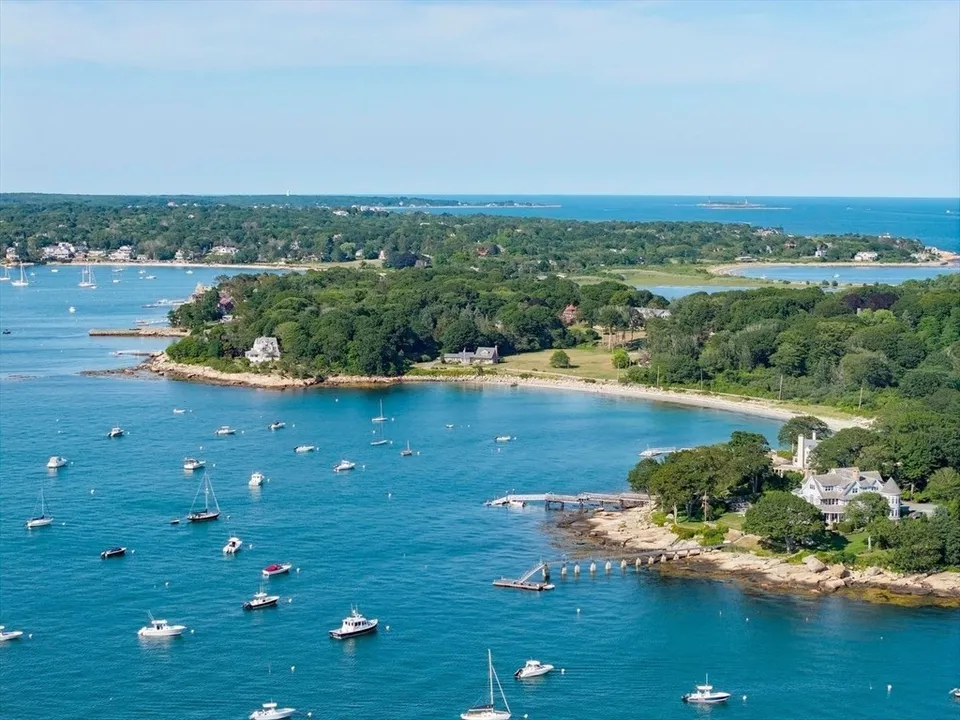 Eastern Point today: still dramatic, still a place where architecture and seascape collide.
What B.A.S.H. Tells Us About Place and Imagination
At first glance, B.A.S.H. might sound like a quirky local footnote. Four men with big houses and bigger personalities—so what?
Look closer, and they become a lens on something larger:
- How people with money and influence shape landscapes to fit their dreams
- How aesthetics and politics intertwine in quiet, domestic spaces
- How queerness and difference find room to breathe in carefully constructed private worlds
- How local histories can echo far‑reaching global events, from World War I to the rise of modern technology
Next time you see a photo of Beauport’s windows catching the afternoon light, or Hammond Castle silhouetted against a stormy sky, remember: behind the bricks and beams was a web of relationships—affectionate, complicated, sometimes coded—that we now call B.A.S.H.